
People eat as if in three different countries
Polenta and frico in the mountains, ham at San Daniele, fish in the lagoon, and in Trieste you finish with strudel.
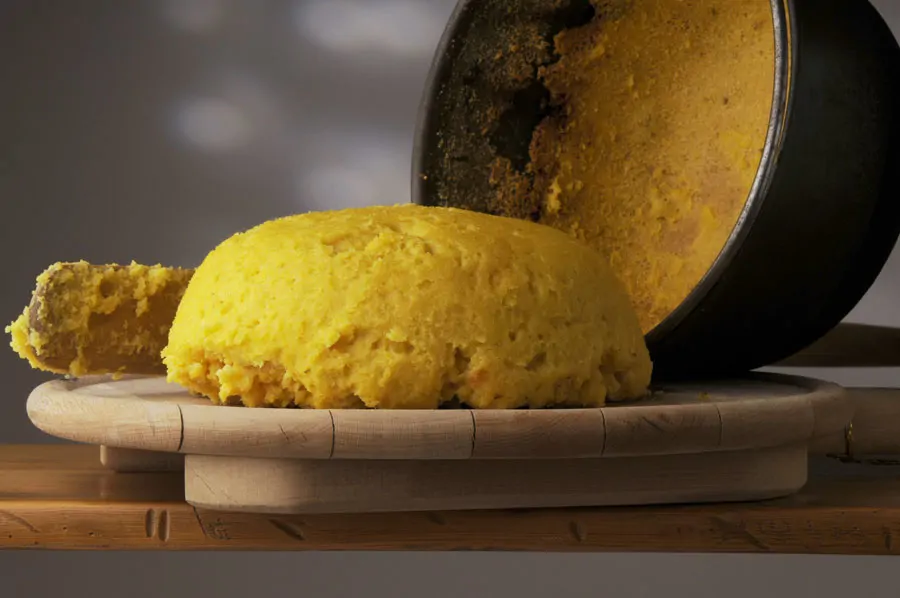
Friuli Venezia Giulia has three cuisines that do not resemble one another. In the mountains and on the plain the food is Friulian: polenta, frico, cheeses, barley soups. In Trieste it is Central European: goulash, jota, strudel, and coffee is ordered with names nobody else understands. In the lagoon and along the coast it is fish, in a drier version than the Venetian one.
Frico and polenta
Frico is mountain cheese cooked in a pan, on its own or with potato and onion, until it forms a crust. It is eaten with polenta, which here is yellow and firm and cut with a thread. It is the dish of village inns, cheap and filling: for anyone camping, it is the dinner that solves the evening.
San Daniele
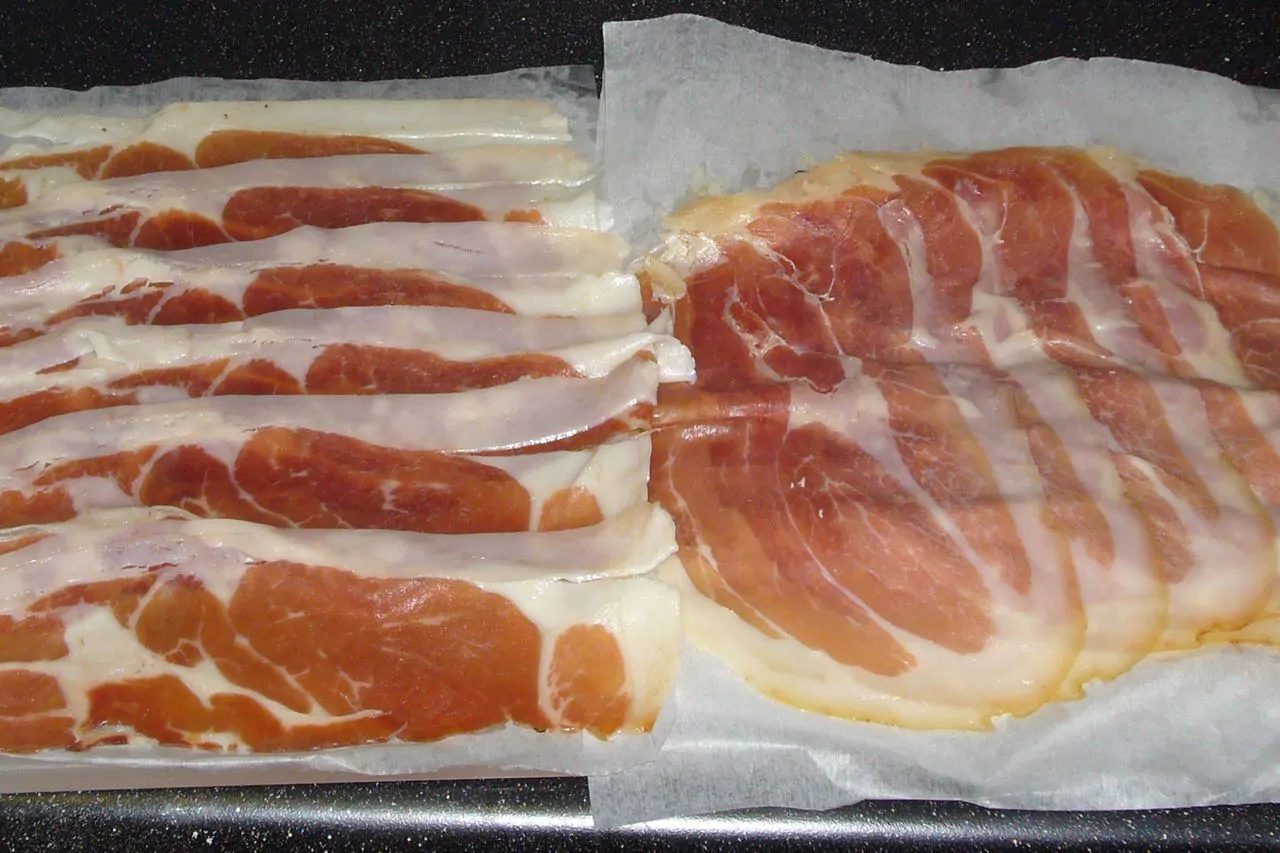
San Daniele ham is made in one municipality only, sixteen hundred hectares of moraine hills where the sea air meets the air of the Alps. About two and a half million legs come out each year, and they are recognised by the trotter left attached. In the village a dozen curing houses can be visited, and as many shops where you eat a plate and buy the rest.
The whites
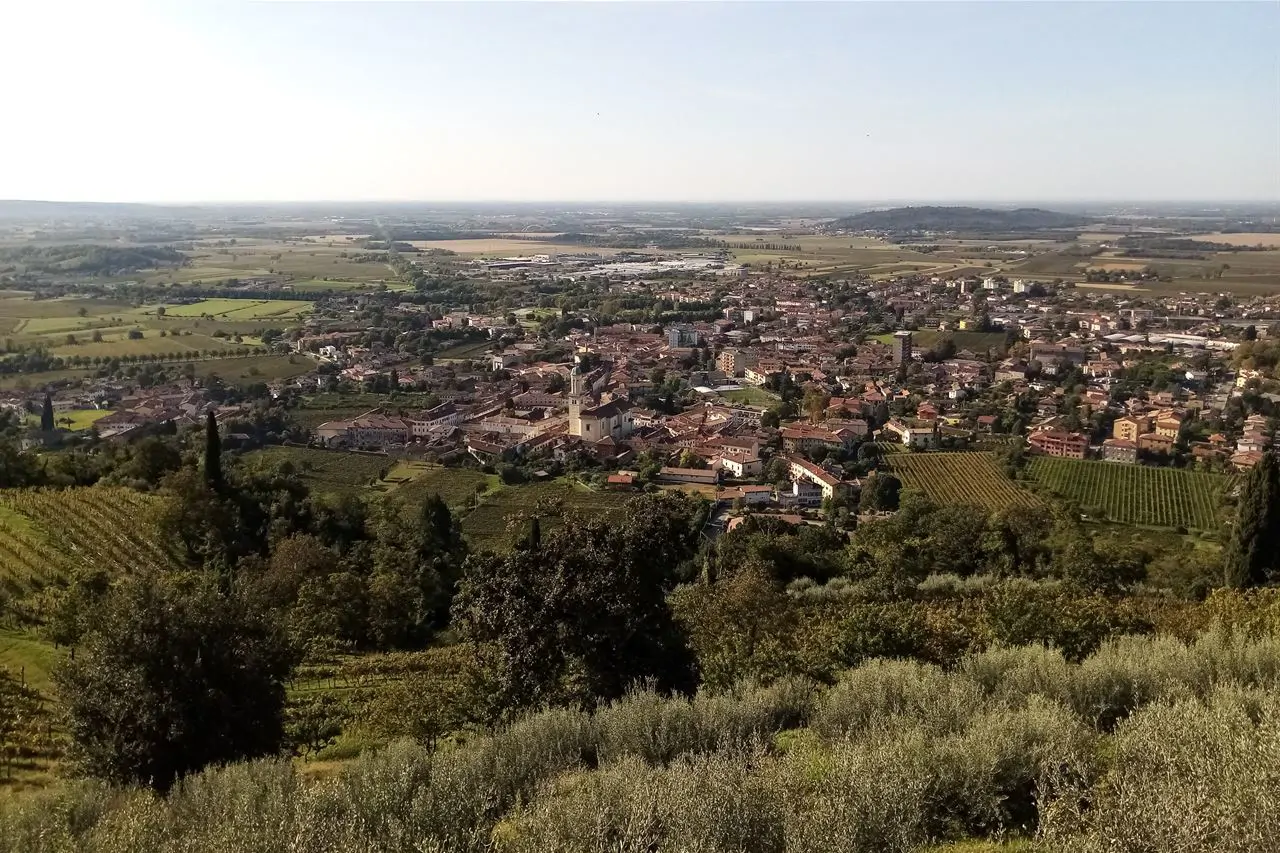
The Collio, the Colli Orientali and the Carso produce the white wines the region is known for outside Italy: friulano, ribolla gialla, malvasia, picolit for dessert. The wineries are small and almost all open to visitors, half an hour from Udine or Gorizia. On the Carso they also make vitovska and terrano, which are something else again.
Trieste apart
Trieste was the port of Austria for centuries and its kitchen has not forgotten. The buffet is an institution: you eat standing, boiled pork with horseradish. Jota is a soup of sauerkraut, beans and potato. Coffee has a vocabulary of its own: a nero is an espresso, a capo is a macchiato, and it comes in a small glass.