
From the sea to Montasio in a hundred and fifty kilometres
Lagoons, gravel beds, wine hills and one of the few Italian mountain ranges that face east.
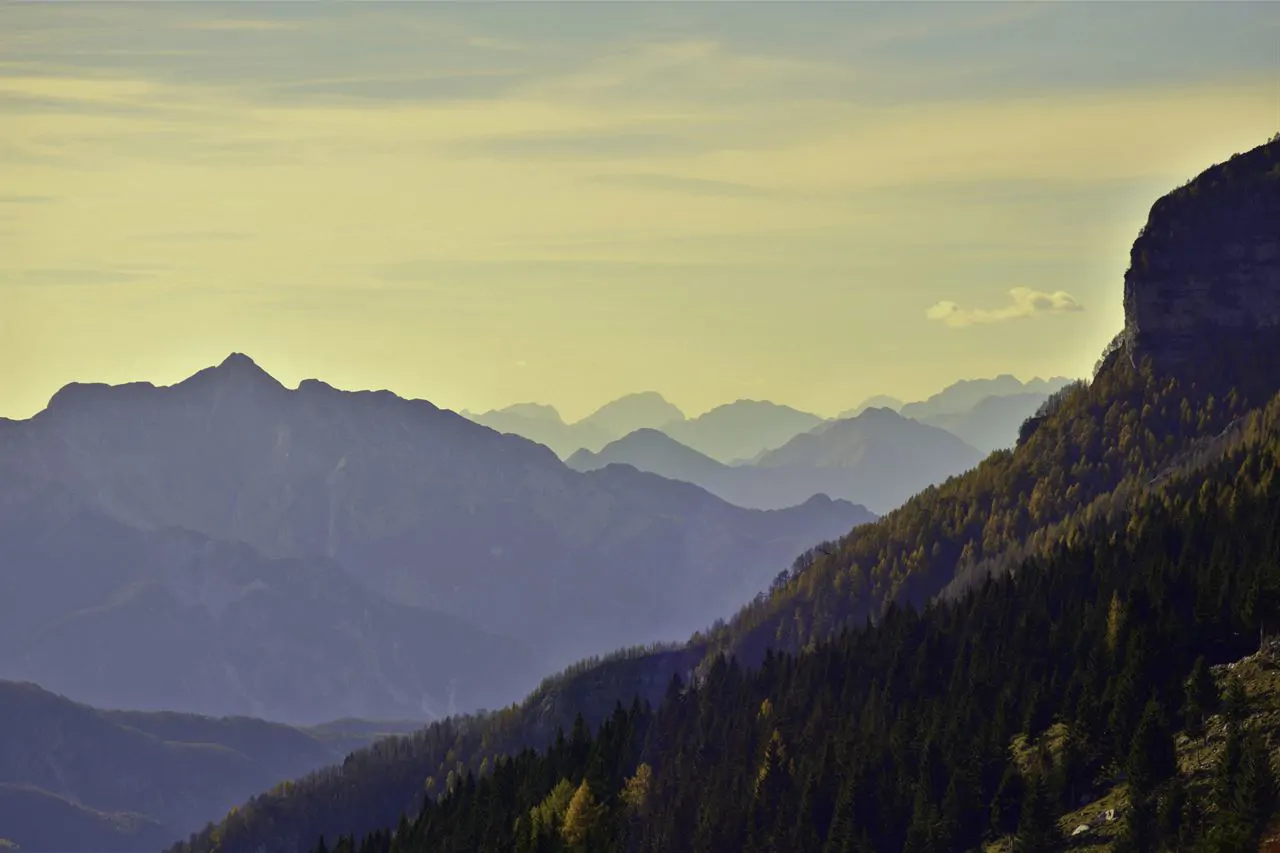
The whole region fits into a narrow triangle, and that is why its landscapes touch one another. Going north from the sea you cross, in order: the lagoon, the low plain of the springs, the high plain of gravel, the hills, the mountains. Five worlds in an hour and a half of driving.
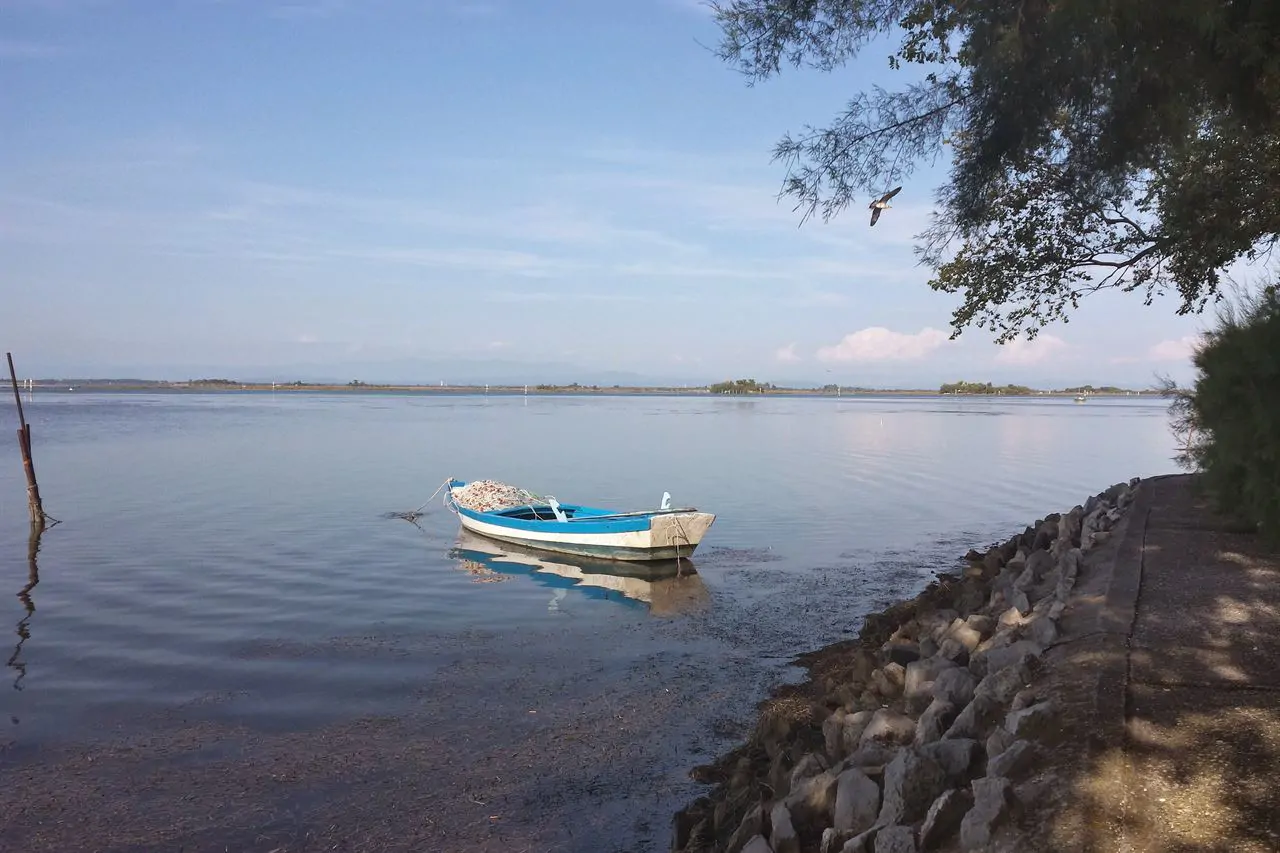
The two lagoons
Between the mouth of the Tagliamento and that of the Isonzo lie the lagoons of Marano and Grado: a hundred and sixty square kilometres of shallow water, channels, mudflats and reed huts where the fishermen used to sleep. It is one of the most important wetlands in the Mediterranean, and you travel it by boat or by bicycle along the embankments. The water is under a metre and a half almost everywhere.
The Tagliamento, which is still a real river
The Tagliamento is considered the last great alpine river in Europe left almost intact: it has been neither straightened nor embanked, and it runs in a gravel bed up to a kilometre and a half wide, changing course with every flood. It is best seen from the bridges between Gemona and Spilimbergo, and it is a landscape with no equal in Italy.
The Julian and Carnic Alps
The Julians are limestone, steep and often spectacular: Jof di Montasio reaches 2,754 metres, Mangart 2,677, and the Fusine lakes lie at their feet in a bowl of firs. The Carnic Alps to the west are gentler and more inhabited, with their high pastures and valley-floor villages. Between them runs the Canal del Ferro, the valley that carries the railway and the motorway towards Austria.
The Carso
Above Trieste the plateau is perforated limestone: sinkholes, caves, rivers that vanish and reappear. The Grotta Gigante has a chamber as tall as a thirty-storey building. On the surface it is dry country, with the sumac that turns red in autumn, and with the osmize, the cellars that open for a few weeks a year to sell the family wine.